

Photo by lookstudio
Many people want a job that helps others. If you are looking for how to get a job in philanthropy, a great place to start is by discovering what a philanthropy officer is.
This person is key to helping charities and nonprofits do their good work.
In simple terms, a philanthropy officer is a professional who helps organizations raise money, building relationships with people and companies who want to give.
This job is not just about asking for cash. It is about connecting people’s desire to help with real-world needs.
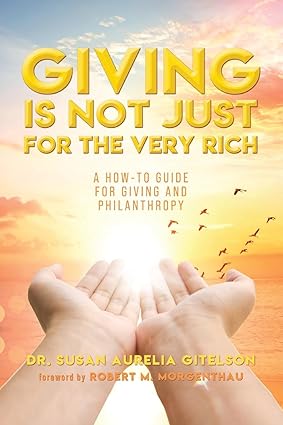
The ideas here are based on the book Giving Is Not Just for The Very Rich by Susan Aurelia Gitelson, who shows that anyone can be a philanthropist. A philanthropy officer helps everyone make a difference.

Photo by freepik
The Main Goal of a Philanthropy Officer
A philanthropy officer works to secure financial support for their organization. The money raised pays for programs, builds buildings, funds research, and helps communities.
Gitelson writes, “Philanthropy is not the monopoly of the very rich.” This is a core idea for a philanthropy officer. They talk to donors of all levels. Every gift matters. The officer’s main job is to find people who care about their cause and help them give in a way that feels good and makes an impact.
You will find a philanthropy officer in many places:
- Nonprofits (like food banks or animal shelters).
- Hospitals and medical research centers.
- Universities and schools.
- Museums, theaters, and art galleries.
- Large charities like the Red Cross or United Way.
They are usually in the “Development” or “Advancement” office. This is the department focused on raising money.
Key Responsibilities of a Philanthropy Officer
The job of a philanthropy officer mixes talking with people, planning, and managing details. Here are their primary tasks.
Building Donor Relationships
This is the heart of the job. A philanthropy officer is, first, a donor relations manager. They do not just meet a donor once. They built a long-term friendship. They might:
- Meet for coffee to talk about the donor’s interests.
- Give tours of their facility.
- Send updates on how donated money is used.
- Say thank you in personal ways, like handwritten notes.
They make sure donors see the results of their gift. This makes donors want to give again.
Finding and Asking for Donations
A big part of the role is focusing on large donations. Here, a philanthropy officer acts as a major gifts fundraiser, looking for individuals, families, or businesses that can give a significant amount. This process is slow and careful. It involves:
- researching who might be interested.
- getting to know them over time.
- learning what they are passionate about
- planning a specific project or a need for funding; and
- making a clear, respectful ask for support.
Gitelson supports this careful approach, noting that “[strategic] philanthropy involves careful planning to achieve the greatest good from the contribution.”
The officer helps the donor plan their gift for maximum effect.
Managing Charitable Giving Plans
A philanthropy officer is a specialist in charitable giving. People can give in many ways: cash, stocks, property, or even through their will. The officer knows the basics of these methods, helping donors find the best way to give that also works for their own finances, and often works with the donor’s lawyer or financial advisor.
Writing Grant Proposals
Many nonprofits get money from foundations or the government. These require written applications called “grant proposals.” A philanthropy officer often serves as the coordinator for foundation grants:
- finding foundations whose goals match their organization’s work
- writing clear, powerful proposals that explain the need and the plan
- gathering reports and budgets to support the request; and
- submitting the application and answering any follow-up questions.
Planning Events and Campaigns
Philanthropy officers help plan events to raise money and thank donors. These can be galas, golf tournaments, or community walks. They also work on extensive fundraising “campaigns” for a specific goal, such as a new building. They help organize the effort and talk to potential donors.
Teamwork and Reporting
A philanthropy officer does not work alone. They are part of a team. In a larger organization, they might report to a nonprofit development director. This director leads the whole fundraising team. The officer shares updates on their progress, tracks donations in a database, and helps set fundraising goals for the year.
Skills You Need to Be a Philanthropy Officer
You do not need to be a salesperson. Different skills are more critical.
- Good listening: You must understand what a donor cares about.
- Good writing: For writing thank-you notes, proposals, and emails.
- Organizing know-how: You will juggle many donors and deadlines.
- Honesty and trustworthiness: You handle sensitive information.
- Knowledgeability: You must learn all about your organization’s mission.
- Persistence: Building relationships takes time.
Gitelson highlights the importance of sincerity. True philanthropy is not a business deal. It is about shared values. A good officer reflects that.

Photo by peoplecreations
How This Role Fits in the Organization
A philanthropy officer is a key part of the team. Program staff run the services (like teaching classes or healing patients). The philanthropy officer provides the fuel—the money—to make those services happen. They work closely with leadership to understand financial needs. They also work with the finance team to ensure gifts are tracked correctly. Everyone depends on their success.
Why Being a Philanthropy Officer Matters
This job is more than a paycheck. It is a career with purpose. You get to see the direct impact of your work. You meet people who want to make the world better. You help them do it. You solve problems for your community. Gitelson’s book reminds us that giving is a powerful, positive force. A philanthropy officer guides that force to where it is needed most.
If you are interested in connecting people with causes they love, this might be the job for you.
To learn more about the spirit of giving that guides this work, read Susan Aurelia Gitelson’s Giving Is Not Just for The Very Rich.

0 Comments
Trackbacks/Pingbacks