

For many individuals of faith, the practice of giving begins with the tithe—the biblical tradition of returning one-tenth of one’s income to God through the local church. Yet modern generosity extends beyond religious institutions to include donations to charities, nonprofits, and causes that address various social needs.
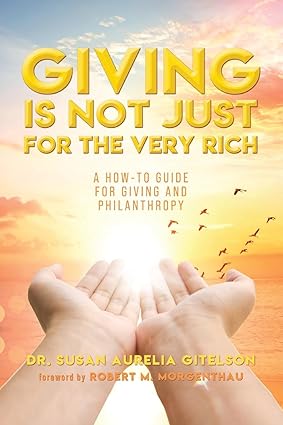
Understanding the distinctions between tithing vs charitable donations helps believers make intentional choices about how to allocate their giving. Susan Aurelia Gitelson’s book Giving Is Not Just For The Very Rich encourages thoughtful generosity at every level, and discerning the purposes of different giving vehicles allows donors to align their resources with their values and beliefs.
This article shows the differences between tithing and charitable donations to all people. Read below to learn more about these two ways of giving back.
The Biblical Foundation of Tithing
The practice of tithing traces its origins to the Old Testament, where God instructed the people of Israel to bring one-tenth of their produce and livestock to the temple. Leviticus 27:30 declares, “A tithe of everything from the land, whether grain from the soil or fruit from the trees, belongs to the Lord; it is holy to the Lord.” This offering is an act of worship, acknowledging that all resources ultimately belong to God and that the tithe was a return of what was already His.
In the New Testament, Jesus affirmed tithing while criticizing those who observed the practice without attending to “the more important matters of the law—justice, mercy, and faithfulness” (Matthew 23:23). The early church appears to have moved beyond the tithe to even more radical generosity, with believers selling possessions to meet the needs of the community (Acts 2:44-45). Yet the principle of systematic, proportional giving remained central to Christian practice.
Religious giving thus carries theological weight, distinguishing it from other forms of generosity. In this sense, it is an act of obedience, a recognition of God’s ownership, and a participation in the life of the worshipping community.
The Purpose of Charitable Donations
Charitable donations serve a different purpose. While tithing supports the ongoing work of the church—including worship, pastoral care, discipleship, and outreach—charitable donations address specific needs in the broader community. A donation to a food bank feeds hungry people. A gift to a homeless shelter provides housing. Support for a medical research organization advances healing.
These donations are no less valuable than tithing, but their purpose differs. The difference between tithe and offering often lies in destination and intention. The tithe supports the spiritual home where a believer worships, grows, and serves. Charitable donations extend the believer’s impact into areas where the church may not directly operate.

Tithing as a Spiritual Discipline
For many Christians, tithing functions as a spiritual discipline that cultivates trust in God’s provision. Giving the first tenth before other financial commitments requires faith that God will provide for remaining needs. This practice counters the human tendency toward scarcity thinking, reminding the giver that all resources come from God and that generosity does not lead to lack.
Church giving practices vary across denominations, with some emphasizing the tithe as an expectation for members while others encourage generous giving without specifying a percentage. Despite the differences, members are encouraged to practice giving back with a positive attitude and a heart.
The spiritual dimension of tithing distinguishes it from other giving. A charitable donation, while generous, does not carry the same covenantal significance. The tithe connects the giver to the worshipping community, supporting the church’s mission and enabling the ministries that nourish faith.
The Scope of Charitable Giving
Through charitable donations, believers can extend their generosity beyond their local church. A believer might tithe to their congregation while also supporting organizations that address needs the church does not directly serve. This combination allows comprehensive stewardship—supporting both spiritual community and broader social needs.
Christian generosity practices have historically included both. The early church, while sharing possessions within the community, also gave to the poor in Jerusalem and supported Paul’s missionary journeys. The distinction between internal support for the church and external generosity toward those in need was present from the beginning.
Tax Implications
The tax treatment of tithing and charitable donations differs in practical application but shares the same legal framework. Both are deductible when made to qualified organizations. However, for many donors, tithing to their local church represents the largest portion of their itemized deductions.
The distinction matters primarily for timing and strategy. Some donors “bunch” charitable donations to maximize deductions in certain years, while tithing remains a regular practice unaffected by tax considerations. For those who tithe, the spiritual commitment typically takes precedence over tax planning.
Spiritual discipline of tithing operates regardless of tax benefits. The tithe is given because God commands it, not because it provides a deduction. This distinguishes it from charitable giving, which may be adjusted based on financial circumstances without the same sense of covenantal obligation.
Combining Both Practices
Many believers find that tithing and charitable donations serve complementary purposes in their stewardship. The tithe supports the spiritual community that nourishes their faith and provides a foundation for their giving. Charitable donations extend that impact into areas of personal passion—education, healthcare, poverty alleviation, and the arts.
A family might tithe to their local church while also supporting a scholarship fund at their alma mater, a food bank in their neighborhood, and medical research for a disease affecting a loved one. Each gift serves a distinct purpose, and together they represent comprehensive stewardship of the resources God has entrusted.
Gitelson’s book encourages donors to give intentionally, researching causes that align with their values. For believers, this intentionality begins with the tithe and extends to all giving.
Understanding Your Finances
Understanding tithing vs charitable donations helps believers give with clarity and purpose. The tithe serves as a spiritual discipline, supporting the worshipping community and acknowledging God’s ownership of all resources. Charitable donations extend generosity to meet needs beyond the church’s direct ministry.
Susan Aurelia Gitelson’s Giving Is Not Just For The Very Rich reminds readers that intentional giving at every level matters, whether directed toward the local church or toward organizations addressing social needs. Believers who practice both tithe and charitable giving discover that their resources multiply in impact, supporting both the spiritual community that nourishes their faith and the broader world that needs their care. So, get a copy of Giving Is Not Just For The Very Rich to get more information about heartfelt giving today!

0 Comments