

Photo by partystock
The future of philanthropy trends is shifting power. It’s now moving away from top-down charity to a model built on partnership and listening.
This perspective, called participatory and trust-based philanthropy. This perspective wants companies and donors not only to just write checks: but to work directly with the communities they aim to help, trusting the people to know their own needs best.
This approach is now making a bigger, longer-lasting difference in the world.
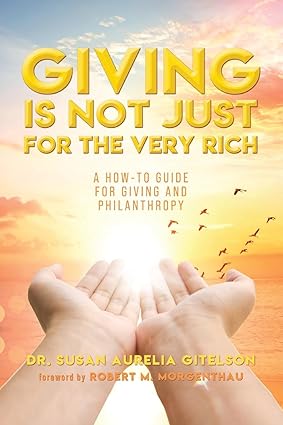
Dr. Susan Aurelia Gitelson’s book, Giving Is Not Just For The Very Rich, shows this idea in action:
“The common thread is to show people who are improving the world in varied ways that benefit others and simultaneously enhance their own lives.”
Genuine charity is a partnership where everyone involved benefits.
What is Participatory and Trust-Based Philanthropy?
Participatory and trust-based philanthropy is premised on the simple idea that the people receiving help should be a part of the planning that goes into their cause.
Their voices and ideas matter—
Companies should trust community leaders to guide how they will use the money and resources to help them.
In the past, a corporation might decide what a community needs without asking, where aid is premised on the community’s ability to meet certain conditions.
Participatory and trust-based philanthropy removes those strict rules.
This new approach builds a relationship of trust, recognizing that people living in a community are the real experts.

Photo by freepik
The Rise of Collaborative Giving
A significant sign of this trend is the growth of collaborative multi-donor initiatives, where many donors, including companies and individuals, pool their money and efforts for a united front against a singular goal.
A good example from Gitelson’s book is the Robin Hood Foundation. Financiers, bankers, hedge fund managers, and the like gathered together and started it, using their business skills to fight poverty in New York City. Unlike many others, they do not just dole out grants to organizations that meet an arcane and incomprehensible criteria; they carefully measure results, like how a business measures success, and work with local groups, not just giving orders.
This is a collaborative, multi-donor initiative with a participatory, trust-based philanthropy heart.
Empowering People, Not Just Writing Checks
Modern corporate philanthropy is about more than giving back to the community by doling out money; it’s about strategic volunteer engagement strategies and sharing the necessary skills for long-term improvement.
It is about becoming a true partner.
In November 2011, Starbucks created the “Create Jobs for USA” fund, a grassroots effort where customers could buy wristbands from their shops, with all the money going to loans for small businesses in struggling areas across the country. This allowed customers and the company to participate directly.
It trusted local community financial institutions to choose the best businesses to support.
Connecting with the Hyper-Personalized Donor
Today’s donors, especially employees and customers, want a personal connection with the causes they want to support. These are hyper-personalized donors, potential philanthropists who want to choose causes they care deeply about.
They want to see the direct impact of their gift.
Dr. Gitelson highlights tools like DonorsChoose.org, a dynamic platform for all things donation and charity, where public school teachers post requests for classroom needs, while a donor can choose a specific project to fund, like new books or art supplies. The donor then gets photos and thank-you notes from the class or whatever else to show one’s gratitude.
This approach creates a direct, personal link.
It is the ultimate act of participatory and trust-based philanthropy for an individual or a company to match gifts.
This personal touch is vital.
As Gitelson notes, giving makes the giver happy, too. Studies show “people who give are usually happier than those who do not.”
Having a personal connection makes that joy even stronger.
Aligning Philanthropy with a Mission
More companies are now aligning their charitable efforts with deep values, meaning that they are now supporting fairness, equality, and human rights.
Good philanthropic work requires deep trust and participation with communities fighting for these causes.
Giving Is Not Just For The Very Rich shares the example of the Arcus Foundation, a group that works for LGBTQ+ equality and protects great apes.
Its founder, Jon L. Stryker, supports these causes because they are his personal passion. This is philanthropy driven by a clear moral mission.
George Soros’s Open Society Foundations fights for human rights and open democracies.
His spirit of philanthropy comes from his own life experience. Living under fascism and communism, he deeply understood the importance of fighting for universal values. This is large-scale philanthropy built on social justiceand trust in local leaders.
Why This New Model Makes a Bigger Impact
Participatory and trust-based philanthropy works better because it is sustainable and more far-reaching, building community strength instead of creating dependence.
The Acumen Fund, mentioned by Dr. Gitelson, is a perfect model for this kind of philanthropic philosophy. The Fund does not simply do charity via monetary donations; it also invests heavily in businesses and leaders who serve the poor, providing “critical services—water, health, housing, and energy—at affordable prices.”

Photo by zinkevych
This approach gives people dignity and helps foster self-reliance.
Acumen Fund “encourage[s] local leadership and funding.”
This is the core of trust-based giving.
Gitelson writes about the importance of this shift:
“Your life will be enriched greatly when you volunteer to implement existing programs and causes you believe in, or when you devise special programs to help others and then carry them out.”
The act of participating with others is what creates real, lasting change—for the community and for the giver.
The Future is Participatory
The future of philanthropy trends is clear: the old way of distant, top-down giving is fading; the new way is hands-on, ears-open, and trust-filled.
It is participatory and trust-based philanthropy.
From large collaborative multi-donor initiatives to platforms for hyper-personalized donors, the power is shifting.
This transformation is going to create a world where charity comes from genuine partnership, making philanthropy more effective, more human, and more joyful for everyone involved.
Learn how to turn your values into impactful action with Dr. Susan Aurelia Gitelson’s Giving Is Not Just For The Very Rich.

0 Comments
Trackbacks/Pingbacks