

Philanthropy, a term widely recognized in the context of charitable giving, has evolved into a powerful force for positive change. However, it’s crucial to explore synonyms for philanthropy that broaden our understanding of this concept and ensure proper usage in different contexts.
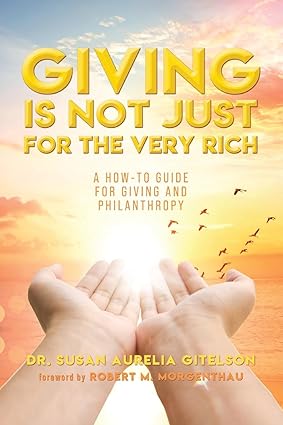
Dr. Susan Aurelia Gitelson’s brilliant book, Giving Is Not Just for the Very Rich, provides a deep dive into the motivations behind generosity and its application across different income levels. As individuals seek to contribute meaningfully to society, understanding various terms related to philanthropy, such as generosity, charity, giving, altruism, and social contribution, enhances both clarity and intentionality.
While philanthropy is often associated with financial donations, it also encompasses time, energy, and expertise dedicated to improving others’ well-being and safety. In this article, key synonyms for philanthropy will be examined, highlighting their nuances and appropriate usage in different settings.
Understanding Philanthropy and Its Synonyms
Philanthropy—when explained—is derived from the Greek words “philos” (love) and “anthropos” (human), translates to “love for humanity.” It refers to the voluntary efforts of individuals or organizations to promote the welfare of others by donating resources, including money, goods, or time. Philanthropists aim to address social issues such as poverty, health, education, and environmental sustainability.
However, while philanthropy focuses on large-scale, strategic giving, it shares similarities with other terms that also reflect generosity. Generosity, charity, giving, altruism, and social contribution each bring a slightly different emphasis to the act of helping others, and understanding the subtle distinctions is crucial for effective communication
1. Generosity
Generosity is one of the most common synonyms for philanthropy. It broadly refers to the willingness to give or share, especially in terms of time, money, or resources. Generosity is an essential component of philanthropy, but can often refer to smaller, more spontaneous acts of giving.
Generosity is a broader term than philanthropy, encompassing any selfless act of giving. While philanthropy may be strategically planned and focused on large-scale societal impact, generosity can refer to smaller, day-to-day acts of kindness. For example, one might demonstrate generosity by volunteering at a local food bank or providing a meal for a friend in need. Generosity is often a driving force behind the broader concept of philanthropy.
2. Charity
The term charity is often used interchangeably with philanthropy, but is more commonly associated with the act of giving to those in immediate need. Charitable giving typically focuses on alleviating short-term problems, such as food insecurity, homelessness, or disaster relief.
In contrast to philanthropy, which often involves long-term, strategic initiatives, charity is more focused on providing immediate relief. Charity is often seen as a reactive response to urgent social issues, such as a fundraiser for victims of a natural disaster. While philanthropy might support systemic change, charity typically provides direct aid, such as monetary donations or gifts in kind.
3. Giving
Giving is another synonym for philanthropy, but it is the most generic term of the group. It refers to the act of offering something to others, whether it’s money, time, or services. Giving is a broad and inclusive term, meaning it can refer to both small, everyday acts of generosity as well as more formal, structured charitable efforts.
While giving can be part of a philanthropic strategy, it’s not inherently tied to large-scale efforts or systemic change. Giving may include actions like donating clothes to a local shelter or contributing to a fundraiser, which are certainly valuable, but they might not have the same long-term strategic goals as traditional philanthropy. Thus, giving is an essential building block of philanthropy, but not synonymous with its full scope.
4. Altruism
Altruism focuses on the selfless concern and care for the well-being of others, often manifesting in acts of kindness, charity, or service. It is driven by a desire to improve the lives of others without seeking personal gain. Altruism is a philosophical or ethical approach to life and behavior, where individuals prioritize others’ needs over their own.
Unlike philanthropy, which typically involves organized, strategic giving, altruism is more about personal behavior and intrinsic motivation. An altruistic person may volunteer at a shelter, donate to a cause, or help a neighbor—all without expecting anything in return. While altruism can be a motivating factor for philanthropists, it does not necessarily imply a structured approach to giving or impact.
5. Social Contribution
Social contribution refers to the efforts made by individuals, organizations, or institutions to enhance society’s well-being, whether through financial donations, volunteer work, or advocacy. It is a broader term than philanthropy because it includes various forms of positive engagement with society, not just charitable giving.
The concept of social contribution aligns closely with philanthropy, but its scope may extend beyond financial assistance. For instance, a corporation that provides educational resources to underserved communities or an individual advocating for climate change legislation is making a social contribution. Social contribution emphasizes the role of active participation and engagement in creating a positive social impact, whether through policy changes, activism, or community service.
The Function of Philanthropy in Addressing Global Challenges

As the world faces a range of complex issues, including climate change, healthcare disparities, and poverty, the role of philanthropy has never been more critical. Gitelson’s work highlights how individuals at all income levels can engage in strategic giving to address these challenges. By focusing on long-term systemic solutions, philanthropists have the potential to create sustainable change.
Many individuals and organizations are adopting strategic philanthropy, which involves careful planning, evaluation, and alignment with core values. This particular approach ensures that available resources are used effectively to tackle the root causes of social issues, rather than simply providing short-term relief and solutions. As Gitelson points out, intentional giving is essential for those who wish to create lasting change.
For example, foundations like the Gates Foundation have used philanthropy to tackle health crises such as malaria and AIDS, investing in innovative treatments and systemic healthcare improvements. Similarly, many environmental organizations leverage social contributions from donors to address climate change through conservation efforts and clean energy development.
Embrace Strategic Giving for Long-Term Impact
As individuals reflect on their ability to contribute meaningfully, it becomes clear that all roles have value. By combining donations with long-term philanthropy planning, individuals can create lasting social change. Start by evaluating personal goals, identifying key causes, and committing to strategic contributions that maximize impact. Whether through financial contributions, volunteer efforts, or advocacy, everyone can play a role in reshaping society for the better.
Gitelson’s message remains relevant: generosity transcends income levels. Thoughtful giving is accessible to all, and philanthropy is not merely reserved for the very rich. Individuals can have a lasting, meaningful effect on society. It’s time to invest in both immediate relief and long-term solutions to ensure a better future for generations to come. So, grab a copy of this impressive book today!

0 Comments