

Volunteers doing the ice bath challenge| Photo by Major Tom Agency on Unsplash
Do philanthropists follow the basic principles of ethical giving? Volunteers help donate materials and services to the needy to uplift spirits and follow and advocate for a cause.
There are principles of ethical giving that philanthropists follow to help those who are in dire need. Nevertheless, volunteers and philanthropists also need to know if they are providing for the correct charity. Scams and fraudulent organizations are on the rise nowadays, deceiving people for money.
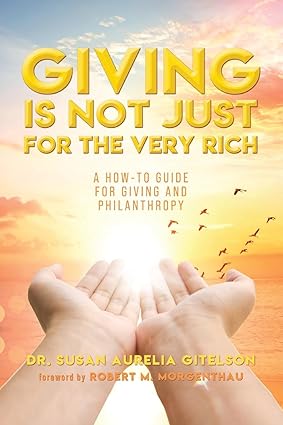
To avoid providing for scams and fraudulent organizations, Dr. Susan Aurelia Gitelson wrote her book Giving is Not Just for the Very Rich to help guide people in providing for the needy. This book is an easy-to-use guide to ethical giving and philanthropy that provides numerous creative ideas about helping and giving to charities. It helps practicing philanthropists to feel a sense of connection and purpose by helping others. This guidebook also gives insights on which charities to help based on a philanthropist’s personal advocacy. The author has been helping multiple charities, including UPLIFT San Diego – a nonprofit organization that promotes community equity through academic services and housing support. The proceeds of her book will go to aid homeless people in San Diego, California.
If you want to follow a responsible philanthropy, you must know that the organization you want to help practice the principles of ethical giving.
These are the basic ethical principles that every business/health/educational/government sector must follow:
Autonomy: People’s Right
As a philanthropist, you must observe that the organization you are helping practices autonomy. This ethical principle practices respect for people. This principle both helps and protects the subjects of charity. When helping the people under a charity, the organization must also know whether the subjects want to be physically helped. Yes, there are people who need extensive protection, so being physically there to provide them with what they need might not always be helpful. Because of the power of this principle, you must know the guidelines that the charity follows. You also have to look for signs that the charity you are about to help is legitimate.
Beneficence: Non-maleficence
Beneficence is one of the principles of ethical giving. It is a principle avoid harming the subject and diminishing the possible harms around the subject. When you are working with a charity, you must observe that the organization will not harm any of their subjects and that they will maximize the benefits for their subjects.

Children smiling for the camera | Photo by Larm Rmah on Unsplash
Justice: Fairness
Justice is one of the principles in ethical giving that observes the “fairness” in the duty. The charity you are working with should observe fairness with its people. If you think that the charity does not practice equity with its donations, then the organization might be practicing fraudulent activities.
If you want to connect to legitimate charities, Dr. Susan Aurelia Gitelson’s Giving Is Not Just for the Very Rich can help you. It has a list of charities around your area that truly follow the principles of ethical giving.
Five Fundamental Principles a Charity Should Practice
So, we have already discussed the basic ethical principles: Autonomy, Beneficence, and Justice. Here are five fundamental principles that legitimate charitable organizations must practice:
Integrity
When looking for charitable organizations that practice principles of ethical giving, you must know that the organization is straightforward, honest, and transparent with its activities and professional relationships. Integrity is a powerful ethical principle that should clear a direction for an organization’s mission and vision.
Objectivity
As a philanthropist, you must know that the organization you are supporting does not allow bias. Objectivity is one of the principles of ethical giving that should help diminish any conflict that may be encountered in the future. Without a clouded judgment, a charity must be able to help its subjects with full intentions.
Competence
A charitable organization must also show competence with their duty. It must be great at showcasing knowledge and skills when it comes to helping its subjects. All charities follow a standard that should carry them with their advocacy. If they still actively go on with their goals, then they must be competent in the field.
Confidentiality
Confidentiality is one of the most important principles of ethical giving. It protects the identity and individuality of a subject, especially when they are in need of security and protection from outside factors. As a philanthropist with advocacy, you must also observe the confidentiality clauses that your charity is working with to even further the protection of the people under its umbrella.
Professionalism
As a philanthropist, you must learn how to identify trustworthy charities. A legitimate charitable organization complies with the laws and regulations. As a volunteer or a philanthropist, you must also observe professionalism when reaching out for help. We are already living in a digital timeline, which easily breaches information. As a professional, you are to abide by the law to help protect the people in nee
You can buy Dr. Susan Aurelia Gitelson’s Giving is Not Just for the Very Rich on Amazon and Barnes & Noble. You may also visit www.susanaureliagitelson.com/order.
FINAL THOUGHTS
As a promising philanthropist, you must follow the principles of ethical giving to make an impact in the community. With the basic principles of autonomy, beneficence, and justice, you have a guide to choose an organization that you can partner with. In addition, the charitable organization must also follow the five fundamental principles: integrity, objectivity, competence, confidentiality, and professionalism.

0 Comments
Trackbacks/Pingbacks