

Photo by partystock
A new era of giving is here, led by millennials (born roughly 1981-1996) and Gen Z (born 1997-2012). These generations are not just donating differently; they are also investing differently, reshaping the very idea of charity and upending age-old perspectives.
These new generations push for transformational philanthropy that creates real, lasting change to the community and the world.
To better understand the future of giving, we must examine the emerging philanthropy trends.

Photo by freepik
Who Are Millennial and Gen Z Givers?
First, let’s get to know who these new coming of givers are: millennials grew up with the internet and saw the economic ups and downs of the early millennium, while Gen Z are the true digital natives, having never known a world without social media and smartphones.
They often have less spare cash to give than older generations, and this is due to student debt and high living costs.
But they still want to make a difference.
They still want to give their time, their voice, and however much they can to the world. These younger generations care deeply about fairness, the planet, and social justice.
For them, giving is not just writing down a check; it is part of who they are.
New Philanthropy Trends Driven by Technology
Technology is the biggest tool for these givers, as it is the main lens through which they find causes, give money, and track impact.
Social Media Philanthropy
Social media is central to the current philanthropy trends of today, with platforms like Instagram, TikTok, and X (Twitter) growing beyond their initial use case for socializing. Now, these platforms have evolved to become instruments for fundraising and raising awareness, too, where a powerful video about a cause can go viral in hours, helping raise money and putting pressure on leaders to act.
Through social media, Gen Z and millennials can verify whether or not a charity’s work is actually legitimate and not simply an elaborate scheme.
Everyone wants to see real stories and real results, and they are at the forefront of making that true.
Influencer-Driven Charity
This is a significant part of social media philanthropy. On the internet, online influencers can rally millions of followers for a cause with just a few pieces of content. When a highly-trusted influencer talks about a charity, their audience listens to them, and this can lead to massive spikes in donations.
It is especially powerful for urgent crises and new, smaller nonprofits.
But young givers are ever so thoughtful: they can tell if an influencer partnership is genuine or just for show. Thus, they will always only support influencers who have an authentic, long-term connection to the cause they are talking about.
Subscription-Based Donations
Young donors love giving in small, regular amounts through apps and websites that let you automatically give $5 or $10 a month.
This is called subscription-based donations; it’s quite like a Netflix subscription, but instead of entertainment, it’s for the noble cause of charity.
This trend has become very popular in recent years, making budgeting easy for the donor while also giving charities a steady stream of support they can count on.
This stable income helps tons of charities plan out long-term projects.
Demanding More Than a Donation Receipt
Past generations often gave money and then stepped back, letting the organizations responsible do all the rest—but millennials and Gen Z want to be part of the journey.
They want to see the impact of their gift firsthand.
Direct Action Volunteer Programs
Young people want to get their hands dirty, so a lot of them seek out direct action volunteer programs, where volunteering has a clear, immediate result.
During these activities, they are able to meet the people that they are helping.
This hands-on experience makes them feel more connected, often turning one-time volunteers into lifelong supporters.
Virtual Volunteer Opportunities
Not all help happens in person, and not everyone can do it in person. Virtual volunteer opportunities are a huge philanthropy trend.
Through your computer, you are able to change the world, if only a little bit. Any of these skills is always in high demand: designing graphics for a nonprofit, tutoring a student over video call, translating documents, etc.
This is perfect for busy young people because it lets them help from anywhere, at any time, while also allowing charities, especially small and niche ones, access to expert help they could never afford.
A tech-savvy volunteer can make all the difference for a tiny nonprofit.

Photo by lookstudio
Core Values Changing the Game
How young people give is essential, but why they give is even more critical for long-term change. Their values and the ways they go about obtaining them are reshaping charity from the inside out.
A core belief that millennials and Gen Z share is that they believe in justice, not just charity. Giving a meal to a hungry person is good. But solving the question of why that person is hungry is better.
Therefore, most young people today advocate for supporting groups and initiatives that address root causes, such as unfair policies or a lack of affordable housing. They also demand diversity and inclusion, expecting to see diverse leaders on nonprofit boards and staff. The new generations want charities to listen to the communities they serve, not just tell them what to do.
Thus, transparency is a must. Young donors can easily and quickly research a charity online, poring through publicly available data to look at how much money goes to programs vs. admin costs. If a charity is not open about its finances and results, then that charity is sunk.
Therefore, nonprofits are changing their ways to adapt.
The rise of millennial and Gen Z giving is not a fad. It is the new normal.
As they become the majority of donors and workers, their values and their perspectives are shaping and will continue to shape the future, building a world where giving is personal, connected, and powerful.
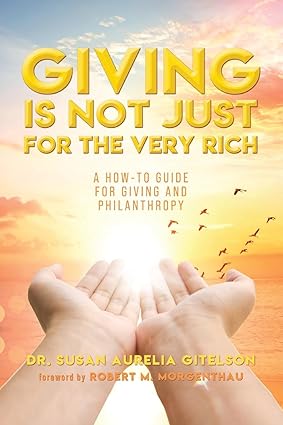
Start your own journey of giving today and be a part of these powerful philanthropy trends. Remember, as Susan Aurelia Gitelson’s book teaches us, Giving Is Not Just For The Very Rich.

0 Comments
Trackbacks/Pingbacks