

Photo by jcomp
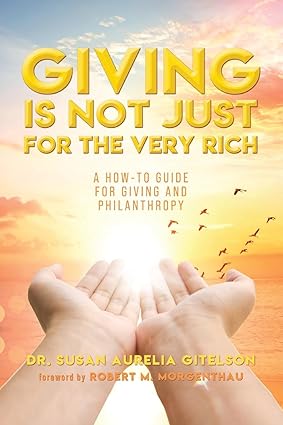
Dr. Susan Aurelia Gitelson writes in her book Giving Is Not Just For The Very Rich that “giving is for all of us, who, in our own ways, have the power and the capacity to make a difference.”
Learning how to start donating with a low income is simpler than most people realize. Now, giving until it hurts doesn’t actually mean emptying your bank account, nor does it mean skipping rent payments.
Real sacrificial generosity means giving something that matters to you, whether it’s your time or just a small amount from each paycheck. It could even be skills you already have.

Photo by freepik
Altruistic hardship is not about making yourself poor because the goal should always be to share what you have while still having the capacity to pay your own bills.
There are people who call this radical philanthropy, while others see it as extreme self-denial for a good cause, but the best giving actually makes the giver happier, too.
Dr. Gitelson explains that “people who give are usually happier than those who do not,” and her research shows that 43% of people who gave away money said they were “very happy.” Among volunteers, 42% felt more content. This is because helping others releases chemicals in the brain that reduce stress. Some psychologists call this feeling “helper’s high.”
The main point is simple: you do not need millions to help others; you just need a plan and a caring heart.
Small Amounts Add Up Quickly
Most people think a substantial donation means writing a big check–and that is not true at all! Small gifts made regularly add up over time, with Dr. Gitelson even saying that “you can make valuable contributions for much less money if you devise [an] effective program.”
Consider skipping one coffee shop visit each week. That $5 becomes $20 monthly and over one year, that is $240 for a food bank or school program.
Giving until it hurts sometimes means giving up small treats, but the feeling of helping others often replaces the need for those treats.
Dr. Gitelson shares stories of everyday people making a difference in her book, with one example being the Goldstein couple.
Arnold and Arlene Goldstein donated $600,000 to the New York Public Library some time ago. They didn’t get rich overnight and decide to take out some of their money for donation–no!–what happened was they saved and planned for many years.
Their wonderful donation helped create a teen center in Harlem, where children could now have a safe place to read and learn. All because this couple cared.
Another example is Margaret Grace, who started a program in the South Bronx to help women earn high school diplomas.
One of the program’s leaders, Kelly Millet, gave over one hundred thousand dollars to support this work, having remembered how his parents helped him finish school. His gratitude turned into action that directly changed many people’s lives.
The point is clear: regular giving, even in small amounts, creates real change, and Dr. Gitelson’s father taught her this lesson young: He asked her if they should keep two valuable books or give them to a library. She immediately replied to give them away.
That moment has shaped her whole life.
Give Your Time Instead of Money
Money is not the only way to give; time is valuable too–and Dr. Gitelson states that “your time and energies alone can be very valuable for improving the world.”
About sixty-three million Americans volunteer each year, proving that giving until it hurts can also mean physical effort rather than just financial strain.
Volunteering offers many choices: you can read to children at the library, serve meals at a shelter, help build houses, teach someone to read, or visit lonely seniors. The options are limitless!
- The HandsOn Network, which Dr. Gitelson mentions, is a group that connects volunteers with more than seventy thousand programs.
- Big Brothers Big Sisters has helped children for over one hundred years, matching adults with young people who need guidance. No money changes hands. Just time and attention.
- Operation Hope teaches financial skills to low-income families with volunteers explaining banking and starting small businesses to help, sharing what knowledge they already have.
Even small efforts matter, as Marion Salmon Hedges can attest to.
Having spent years helping battered women and sick people, she bought Halloween candy for children in her neighborhood.
Her story shows that ordinary people do extraordinary things every day.
Now, the best part about volunteering is the personal connection you make, seeing the people you help, and watching them grow. You feel their gratitude, an experience that cannot be bought with money.

Photo by tirachardz
Start Young and Keep Going
Teaching children to give creates lifelong habits. Dr. Gitelson started helping her father at age nine, attending board meetings at ten, and speaking to young adult audiences.
These experiences shaped her whole life.
Parents can encourage giving in simple ways, so they too can grow up to be lifelong givers: let children share part of their allowance while helping them choose a cause they care about. Whenever possible, take them along when you volunteer and show them the joy of helping others.
There are plenty of stories of young donors that Dr. Gitelson shares in Giving Is Not Just For The Very Rich. Young people can make a difference now.
A prime example is Mark Zuckerberg, who started Facebook young and pledged $100 million to improve schools, declaring that waiting until later in life to give back makes no sense.
- College students can give through programs like Teach for America, which was started by Wendy Kopp based on her college thesis. Now thousands of young teachers work in needy schools, proving that passion matters more than money.
- Even teenagers can help through networks like Do Something, a platform for young activists with over two million members working on causes they all believe in, proving that age does not limit impact.
“It is never too early and never too late to start giving back.”
Ready to start your giving journey? Dr. Susan Aurelia Gitelson’s Giving Is Not Just For The Very Rich offers hundreds of ideas and practical steps.

0 Comments