

Photo by freepik
Many people want to make a difference in the world. So, they work for charities, give money, or volunteer.
But some people want to go deeper.
One way is to pursue the highest degree possible—a PhD in philanthropy or a related field, taking the time (often 4 to 7 years) to study, research, and write. It is a significant life change that can open doors to a robust professional philanthropy network and unique career prospects.
But it also asks for a lot. So, is it worth it?
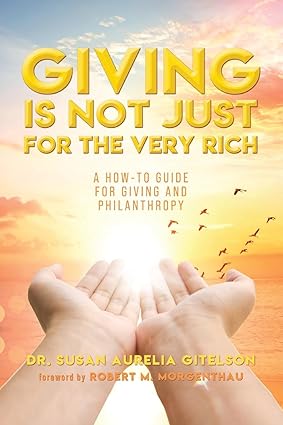
Let’s look at the good sides and the hard sides, inspired by Susan Aurelia Gitelson’s Giving Is Not Just For The Very Rich.

Photo by zinkevych
What is a PhD in Philanthropy?
First, let’s understand what having this kind of degree is: a PhD is a Doctor of Philosophy, the highest university degree you can get. Therefore, a PhD in philanthropy focuses on the study of giving and charitable conduct, examining why people and organizations donate money or time.
This program examines what works and what doesn’t in solving social problems, and studies the history and ethics of charity.
Related degrees might be in nonprofit management, social entrepreneurship, or public policy.
The goal, as with every other PhD program, is to become an expert in the field who can create new knowledge, not just someone who uses what others already know.
The Pros of Acquiring a PhD in Philanthropy
Taking the time to get this PhD comes with some clear rewards. These benefits can change your career and your ability to do good.
Becoming a True Expert
A PhD program trains you to be a top expert: you learn to ask tough questions, do deep research to find answers that no one else has, and become the person others turn to for knowledge.
In a world with many problems, having profound expertise, especially in a field dedicated to that endeavor, is very valuable.
With the training and the experience you gain from this program, you can help guide charities and donors to make smarter choices.
Opening Special Career Doors
With a PhD, you can get jobs that are often closed to others.
- You could become a professor, teaching the next generation of nonprofit leaders.
- You could lead research at a big foundation or a consulting firm.
- You could become a top advisor to very wealthy donors or governments.
These jobs often come with more influence to shape how philanthropy is done.
Building a Powerful Network
During your PhD, you meet professors, other students, and professionals who are all focused on giving. all of whom become part of your professional philanthropy network.
These connections will last your whole career, leading to job offers, research projects, and partnerships.
Being part of this academic and professional community is a huge advantage.
The Reward of Deep Work
There is a personal joy in deep, focused study.
Taking the time for this work allows for deeper thinking about a subject you are presumably passionate about, letting you explore ideas and formulate solutions to potential problems down the line.
This process of allowing for reflection can be very satisfying for someone who loves to learn.
The Cons of Acquiring a PhD in Philanthropy
The path to a PhD is not easy, requiring significant sacrifices that you may not be able to meet when the time inevitably comes.
You must be honest about these challenges before you start.
The Huge Time Investment
A PhD is a marathon, not a sprint, taking 4 to 7 years, or even longer. This is quite a big chunk of your life.
During this time, your friends might be advancing in their careers, buying homes, or starting families.
You will spend hours in the library or at your computer.
Pacing properly is essential to avoid burnout, but the long journey is still a significant commitment.
The Financial Strain
PhD programs can be expensive. While some offer scholarships or teaching jobs that pay a small stipend, the pay is often not much. Thus, you might have to use your savings or take out loans, delaying your ability to earn a full salary for many years.
The “lost” money you could have earned during those years is a real cost.
The Mental and Emotional Toll
PhD work can be lonely and stressful.
- You work on one massive project (your dissertation) for years.
- You might face criticism and self-doubt.
The pressure is high, and without good support, this can hurt your mental health.
Investing energy into your studies also means you have less energy for other parts of your life.
Narrowing Your Focus
To become an expert, you must focus on a particular topic. This deep dive is great for research, but it can sometimes make you less flexible and more rigid in your view of the topic.
The fear is that you might know everything about one tiny part of philanthropy but feel disconnected from the bigger, everyday picture of running a charity.

Photo by artursafronovvvv
Taking the Time to Live Your Life
This decision isn’t just about school and work. It’s about your whole life. The ideas of dedicating personal moments and prioritizing slow living are essential here.
A PhD requires allocating time and effort that would otherwise go to family, hobbies, or rest, straining personal relationships and completely recontextualizing others. Therefore, you need a strong support system.
On the other hand, the PhD lifestyle can force you into prioritizing slow living in some ways, moving at the pace of research, which is often slow and thoughtful.
This can be a different kind of reward for people tired of a fast, busy world.
Making Your Choice and Living Life
If you are thinking about this path, talk to people who have done it: ask them about the good and the bad, and try to get a job in research or at a university first to see if you like the environment.
Taking the time to make this decision is just as important as taking the time to do the degree.
Reflect on what you truly want from your life and your career.
Buy Susan Aurelia Gitelson’s Giving Is Not Just For The Very Rich, to learn more about the power of innovative philanthropy.

0 Comments
Trackbacks/Pingbacks