

Photo by freepik
When we talk about teaching kids about philanthropy, many people immediately picture wealthy men writing big checks — and that’s a mark against how we think about these things.
You see, the truth is different.
Women have always played a huge role in giving: just take a look at the female philanthropists featured in this article to prove that you don’t need to be famous or a billionaire to make a real difference in the world.
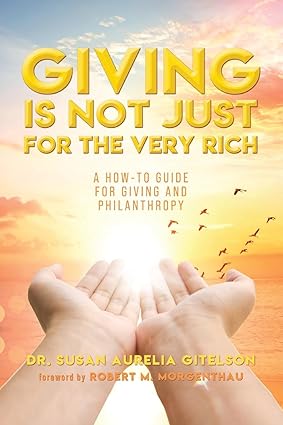
Dr. Susan Aurelia Gitelson, author of Giving Is Not Just for The Very Rich, writes that “women have been increasing their role in philanthropy. They are often the main decision-makers in many families about where contributions should go. Those women who have their own incomes give more than men with similar incomes.”
This shows how powerful women have become in the world of giving.

Photo by gpointstudio
What Makes Female Philanthropists Special?
Women tend to give differently than men do. Studies show they often care deeply about specific causes, wanting to see real change happen in the world, with many focusing on helping children, families, and the education system.
Women in philanthropy also like to work together, coming together to form groups, share ideas, and support each other’s causes.
This teamwork makes their giving stronger and reaches more people.
Dr. Gitelson explains that giving is about more than just writing checks, saying, “The value of your activities does not depend only on your giving money. You can accomplish a great deal as a government official or a nonprofit professional.”
This means women from all walks of life can be philanthropists.
Oprah Winfrey: Using Fame to Help Others
Oprah Winfrey grew up poor and knows what it’s like to struggle.
But she didn’t forget where she came from.
Oprah started the Angel Network in 2000, a group that worked with organizations like the Boys and Girls Clubs of America and UNICEF, to build 55 schools in 12 countries by 2011.
That’s a lot of children getting an education because one woman cared.
She also used her book club to help others, featuring books from often-ignored places and making sure books got donated to those regions.
For example, when she discussed “The Good Earth” by Pearl S. Buck, she helped send books to China.
Oprah has given away over $500 million of her own money.
In 2011, the Academy of Motion Picture Arts and Sciences gave her a Humanitarian Award.
“Think about what you have to give not in terms of dollars, because I believe that your life is about service.”
That’s the heart of what female philanthropists believe.
Melinda Gates: Changing Health Around the World
Melinda Gates runs the world’s largest foundation together with her ex-husband. But she’s not just along for the ride because she brings her own ideas and passion to the work.
The Gates Foundation believes that “All Lives Have Equal Value” and that simple idea drives everything they do as they work on health problems like HIV/AIDS, malaria, and tuberculosis while also helping farmers grow more food and helping families get clean water.
Melinda looks for what she calls “strategic intervention points,” where she finds the best places to help, where a little money can make a big difference, because she wants to bring greater fairness in health and education worldwide.
In 2011, she did something really smart: she brought together top social scientists and health experts for a conference, discussing how to ensure people actually use the health tools the foundation provides.
It’s not enough to give things away. People need to use what was given away.
Melinda shows that social impact donors need to think carefully about their work. It’s not just about giving money away but about making sure the money actually helps people get better.
Evelyn Lauder: Fighting Breast Cancer
Evelyn Lauder married into the famous cosmetics family, but she used her position to help other women. In 1989, she found out she had breast cancer and, instead of just dealing with it alone, she decided to fight for all women.
Starting the Breast Cancer Research Foundation in 1993, she brought breast cancer to the forefront of charitable causes to fight for. By the time she died in 2011 from ovarian cancer, the foundation had raised more than $350 million. All that money went to research and helping women with breast cancer.
She also worked with another group called Susan G. Komen for the Cure. Together, they made breast cancer something people could talk about openly. Before women like Evelyn started speaking up, many women suffered in silence.
Dr. Gitelson writes about how personal experience often drives giving: “Many other people devote themselves passionately to causes they feel have the highest priority.” Evelyn Lauder is a perfect example.
Laurene Powell Jobs: Helping Students Succeed
You might know her as Steve Jobs’ widow, but Laurene Powell Jobs is an important philanthropist in her own right.
Caring deeply about education, she helped start College Track in 1997. This program helps students from low-income families prepare for college, getting help with schoolwork and fun activities, too. The goal is simple: making sure every kid who wants to go to college can get there.
She also founded the Emerson Collective, an organization that works with entrepreneurs to fix social problems in America and around the world. They look for new ideas that actually work.
Laurene also supports the Global Fund for Women, which helps women in other countries get better health care and education, supporting local programs run by women who understand their communities’ needs.
Her work shows that nonprofit sector leadership can take many forms.

Photo by rawpixel.com
How Women Are Changing Philanthropy
Women today are more powerful in giving than ever before. Dr. Gitelson notes that women often decide where family donations go. When women have their own money, they give more than men with similar incomes.
Women also tend to work together, joining expansive giving circles where they pool their money and decide together where to donate.
This makes their giving go further and teaches younger women how to be generous, too.
Get your copy of Giving Is Not Just for The Very Rich and discover how you can make a difference, no matter how much you have to give.

0 Comments
Trackbacks/Pingbacks