

Photo by partystock
Philanthropy is giving to help others and the community. Yet, for a long time, this world has been seen as a man’s world, and philanthropy has never been an exception.
But women in philanthropy are changing that, closing the gender gap in how charity operates and ensuring women’s ideas and needs are heard just as much as men’s.
Their goal, laudable and praiseworthy, is to establish a fair system where everyone can give and receive help without unfairness.
If we can stop old habits from propagating, we can build a world that works for all.
Why the Gender Gap Exists in Charity
First, we must clearly identify what the problem is. In the past, large charities were often run by wealthy men who, through their efforts and donations, gave money and had their names put on buildings.

Photo by rawpixel.com
Their charity usually focused on issues they only cared about, so-called “man-centered” issues. This is despite the fact that women have always given their time and money to give back to their respective communities.
But their giving was quieter and less acknowledged and less noticed.
One factor was the fact that women often gave to causes entirely different from the causes that these wealthy men contributed to.
These women focused on family, health, education, and community needs, usually without the aid of massive donations and corporate backing.
Because men controlled most of the large corporations, their style of charity became the norm, creating a gap between the genders.
Women in Philanthropy Already Leading
The good news is that change is here. More women now have their own wealth to give, being leaders in business and life.
These women are using their money for the greater good without just following the old rules. Instead, they are making new ones.
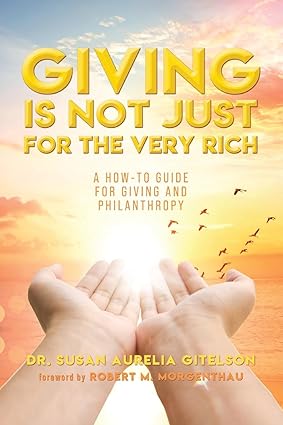
As Susan Aurelia Gitelson writes in her book Giving Is Not Just For The Very Rich, philanthropy is for everyone. Women are proving this true time and time again.
Their approach is often different, but what connects them all is their desire to work together, listening to the people they are helping and giving to causes that support other women and girls to contribute more to an equitable and peaceful world.
This is a powerful way of empowering women.
The Problem of “Man-Centered” Issues
To move forward, we must examine “man-centered” issues. This does not imply that charitable initiatives that cater mostly to men are bad, but it is symptomatic of a system that has long focused on them to the detriment of everyone else.
For example, a charity might provide funds to a university for a sports stadium (which are still largely male-centric and often ignore women’s sports), but it might not have available funds and interest at the same university for student-parent childcare, which is more catered to women.
Closing the gender gap means looking at all needs.
Therefore, we must learn to ask who is left out in these programs.
Addressing bias in how we choose causes is the first step.
Achieving Parity in Charity
So, what should be done? The goal should be to achieve parity, establishing equality and balance as the norm rather than the exceptions.
- Lift women’s voices. Charity boards should have equal numbers of women and men. When women lead, they bring different life experiences. They can point out needs that others miss. This is key to promoting equality from the top down.
- Fund women-led solutions. Often, groups run by women get less money than groups run by men, even for similar work. We must actively look for and fund charities led by women. This is a direct way to empowerwomen to solve problems.
- Look at charity through a “lens of equity.” This means thinking about gender with every gift. Donors should ask: How will this gift affect women and girls? How will it affect men and boys? Does it help reduce gender disparity? For example, giving to a job training program is good. But if the program only trains men for construction jobs, it leaves out women. A gender lens would support job training that is open and welcoming to all.
- Support causes that support women. Certain areas have been underfunded. These include women’s health research, efforts to end violence against women, and support for women starting businesses. Putting money here helps fix the balance. It is a focused way of closing the gender gap.
- Teach everyone to give fairly. We need to teach about fair giving from a young age. Schools and families can talk about it. They can show kids how to spot bias. This will raise a new generation of givers who think about equality.

Photo by freepik
How All Genders Can Participate
This work is not about having women be pitted against men. No, it is far from that. This is about women and men working together.
Closing the gender gap helps everyone, despite what others might say.
A fairer society is better for all people. Men can be strong allies in this work, and they can use their influence to support women leaders. They can also use a “gender lens” on their own charitable works. Everyone can give their time, money, or voice.
The key is to give in a way that thinks about fairness. True charity does not discriminate; it asks what is needed and who is missing.
The Future of Giving is Equal
The world of charity is changing. Women in philanthropy are leading this change. They are showing that giving is not about power or a big name. It is about making real change. By addressing bias, promoting equality, and empowering women, we make charity stronger. We make it work for more people. Reducing gender disparity in giving is a sure way to build a better world. The work of closing the gender gap is about making hope real for everyone.
The wisdom of Susan Aurelia Gitelson inspires the ideas here. To learn more about how everyone can be a philanthropist, buy the book Giving Is Not Just For The Very Rich.
Frequently Asked Questions (FAQ)
1. Why is there a gender gap in philanthropy?
Historically, large-scale philanthropy was dominated by wealthy men who often funded institutions and causes that reflected their personal interests. While women have always been active givers, their contributions were often quieter, community-focused, and went less recognized, creating a disparity in visibility and influence.
2. How is women’s philanthropy different from men’s?
While every individual is unique, women often bring a collaborative approach to giving. They tend to focus on listening to the communities they serve and are frequently drawn to causes that support other women, girls, and families, such as education, health, and community development.
3. What is a “gender lens” in giving?
Applying a gender lens means thinking about how a donation will affect people of all genders. It involves asking questions like: Who is left out of this program? Does this gift help reduce gender disparity? It’s a tool to ensure charitable work is fair and effective for everyone.
4. I’m not wealthy. Can I still help close the gender gap?
Absolutely. Philanthropy is not just for the very rich. You can volunteer your time at organizations that support women and girls, donate to women-led nonprofits, or use your voice to advocate for equitable giving practices in your community.
5. How can men be involved in closing the gender gap?
Men are crucial allies in this work. They can use their influence to amplify women’s voices, mentor women leaders, and apply a gender lens to their own charitable giving. A more equitable society benefits everyone, and achieving it requires partnership from all genders.
Conclusion: Your Role in an Equal Future
Closing the gender gap in charity is not just about fairness; it is about effectiveness. When we ensure that women’s voices are heard and their needs are addressed, our collective efforts to improve the world become stronger and more impactful. The wisdom of Susan Aurelia Gitelson inspires the ideas here. We all have a role to play in building a future where giving knows no gender.
Call to Action: Start Your Giving Journey Today
To learn more about how everyone can be a philanthropist and discover practical steps to make your giving more impactful and equitable, buy the book Giving Is Not Just For The Very Rich today. Join the movement to create a fairer, more compassionate world for all.

0 Comments
Trackbacks/Pingbacks