

Photo from freepik
Many organizations have a special leader called a chief philanthropy officer. This person is in charge of all the giving and fundraising work. Susan Aurelia Gitelson is a notable expert in philanthropy and philanthropic leadership and is often referenced for her insights on the role and impact of chief philanthropy officers.
The chief philanthropy officer often works from an office or a central location, such as a community center, where they coordinate giving and outreach efforts. You might also hear the title philanthropy officer for people who do similar jobs on a team.

Photo by krakenimages.com
Nonprofit Sector Overview
The nonprofit sector is a vital pillar of our society, made up of a diverse array of organizations that work tirelessly to address critical issues such as homelessness, education, and healthcare.
From small, grassroots charities to large multipurpose umbrella organizations, these institutions play a crucial role in meeting the needs of communities, especially in areas where challenges can be particularly acute.
As a Chief Philanthropy Officer, it is essential to have a deep understanding of the nonprofit sector’s strengths and areas of need to create effective fundraising strategies and build meaningful relationships.
Together, we can build a more just and equitable society.
Role of the Chief Philanthropy Officer
The Chief Philanthropy Officer (CPO) holds a crucial position at the heart of any successful charity or nonprofit organization.
As a key member of the senior leadership team, the CPO is responsible for creating and sustaining the philanthropic resources that drive the organization’s mission forward.
A CPO’s job is multifaceted and dynamic. They lead the charge in building relationships with a variety of community stakeholders—donors, corporate partners, volunteers, and institutions—leveraging these connections to secure the funding and support needed for vital programs. Whether working with multipurpose umbrella organizations, supporting initiatives, or partnering with educational and healthcare institutions, the CPO’s ability to communicate effectively and build trust is essential for success.
Ultimately, the Chief Philanthropy Officer is a catalyst for success.
What a Philanthropy Officer Does
A philanthropy officer has many important tasks. Their main goal is to help their organization do more good in the world. They do this by bringing in money and building a community of supporters.
First, they find people who care about their cause. Giving Is Not Just For The Very Rich says, “You will wish to decide what your major values and motivations are and how you can do something worthwhile.” A philanthropy officer helps you do just that. They talk to you about what you care about. They show you how your gift can make a real difference. Their efforts are aligned with the organization’s mission and goals.
Philanthropy officers plan how to ask for support. This is not just about asking for money today. They think about the future, and they might ask you to include the organization in your will. These officers work on big campaigns to raise money for a new building or a special program. Philanthropy officers may also oversee the annual fund, which supports ongoing organizational needs. Philanthropy officers implement fundraising strategies to ensure long-term success.
Why a Philanthropy Officer is Important for You
You might wonder why you need to talk to a philanthropy officer. Can’t you just send a check? You can, but working with a philanthropy officer can make your giving much more powerful.
A philanthropy officer knows all about the organization’s needs. They can show you exactly where your money will go. They can connect your passion to a specific program. Philanthropy officers can also guide you through planned giving, helping you include the organization in your will or estate plans for a lasting impact.
Gitelson explains that giving should be thoughtful. She says we should ask, “What are your real purposes in life? How can you express them best through giving of yourself and your assets?”
A good philanthropy officer will have this conversation with you. They help you match your values with the work of their organization. This makes your giving more personal and more satisfying.
The Skills of a Good Philanthropy Officer
Being a great philanthropy officer takes special skills. It is not just about being friendly. It is about being a good listener and a trusted advisor.
A good philanthropy officer is an excellent communicator. Strong communication skills are essential for engaging donors and stakeholders, ensuring clear and impactful interactions.
Perhaps most importantly, they are passionate about the cause. They believe in the work of their organization and have the heart for it. This passion should be contagious, so it makes you feel excited to be part of something important.
How to Work with a Philanthropy Officer
Your relationship with a philanthropy officer is a partnership. It is a two-way conversation about how you can help. Here are a few tips for working with them.
Be open about what you hope to achieve. Tell them what causes you are passionate about. Be honest about how much you are thinking of giving. This helps them find the best opportunity for you.
Ask lots of questions. A good philanthropy officer will welcome your questions. Ask them how the organization measures success. Ask what percentage of your gift goes directly to the program.
In addition, philanthropy officers can guide you through the organization’s donor recognition programs, ensuring your contributions are acknowledged appropriately.

Photo from freepik
The Impact of a Chief Philanthropy Officer
A chief philanthropy officer does more than raise money. They build a culture of giving. They help create a community where everyone feels they can make a difference, regardless of age or religion.
A chief philanthropy officer often develops a compelling case for support to inspire donors and rally the community. Philanthropy officers also support initiatives to end homelessness, working to transform lives and address the root causes of this issue. Gitelson reminds us that “Giving is for all of us, who, in our own ways, have the power and the capacity to make a difference.”
When a chief philanthropy officer does their job well, everyone benefits. The organization gets the support it needs to do its important work. The donors get the joy of knowing they helped. They experience what Gitelson calls the “helper’s high”—the good feeling that comes from giving to others. The community becomes a stronger, better place.
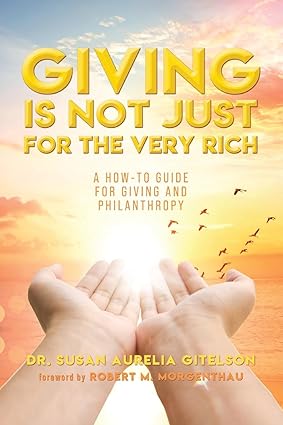
To discover more about how to give wisely and find joy in helping others, get a copy of Giving Is Not Just For The Very Rich: A How-To Guide for Giving and Philanthropy by Dr. Susan Aurelia Gitelson.

0 Comments