

Photo by rawpixel.com
Giving back is powerful. You might wonder, how does philanthropy work for a regular business? It starts with understanding that helping others can also benefit your brand in tangible ways through genuine altruistic effort that people notice.
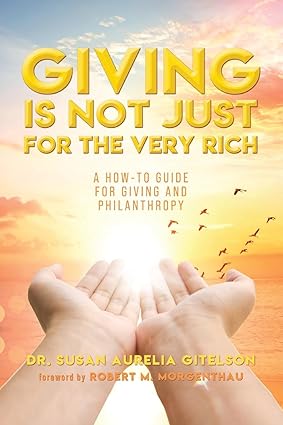
Based on the ideas in Susan Aurelia Gitelson’s book, Giving Is Not Just For The Very Rich, this guide will show you the path.
What is Philanthropy for a Brand?
Philanthropy simply means wanting to help human life. For a brand, it means using your business to support a cause. It’s about more than just writing a check; it’s about your company’s heart, showing that you all care about the world around you.
It is a key part of understanding compassionate living as a business. Compassionate living means thinking about how your actions affect people and the planet.
When your brand lives this way, you make choices that help, not harm. Philanthropy is one of the biggest choices you can make.

Photo by peoplecreations
Why Your Brand Needs an Altruism Guide
You might think your only job is to sell products or services.
But today’s customers want more, wanting to buy from companies that share their values and to support businesses that help others.
Having an altruism guide for your actions is an innovative business decision.
- Altruism builds trust. When people see you giving without expecting anything in return, they trust you more. They see you as honest and caring.
- Altruism makes customers loyal. People are more likely to stick with a brand that does well. They feel good about their purchase.
- Altruism helps your team. Employees want to be proud of where they work. A company that gives back boosts team spirit. People work harder for a company with a good heart.
- Altruism stands out. In a crowded market, your good deeds make you different. People will remember you for your kindness.
- Altruism feels good. Doing good simply feels right. It creates positive energy for everyone involved.
How to Be Philanthropic
A prominent idea from Gitelson’s work is that giving is not just for the very rich. You don’t need millions to start. Philanthropy comes in many forms. Here is how to be philanthropic with what you have.
- Give Your Time: Your team’s time is valuable. Organize volunteer days. Let employees help at a local food bank, clean a park, or read to kids. This is selfless giving of energy and skill.
- Give Your Stuff: Do you have extra products, old computers, or office supplies? Donate them. A restaurant can give additional food to a shelter. A store can provide clothes to people in need.
- Give Your Voice: Use your marketing to talk about a cause. Share a charity’s message on your social media. Let them use your space for an event. Your platform can be a powerful gift.
- Give Your Skills: What are you good at? A print shop can make posters for a charity run. A law firm can offer free advice. A bakery can teach a cooking class. Share what you know.
The Surprising Benefits of Random Acts of Kindness
You can also build goodwill through small, unexpected acts of kindness. The benefits of random acts of kindness are huge for your brand’s image.
Pay for the coffee of the person behind you in line. Help an elderly neighbor with yard work. Leave a big tip for a hardworking server. Don’t put your logo on it. Just do it because it’s kind.
When these stories get out—and they often do—they show your brand’s true character. People connect with genuine, human kindness more than any ad. It shows you practice compassionate living every day, not just when cameras are on.
“Prosocial behavior” is a fancy term for actions meant to help others. Your business needs a clear pathway to prosocial behavior. This is your plan for doing good.
- Find Your Cause: Pick something that makes sense for your business. Do you sell outdoor gear? Help protect parks. Are you a children’s toy company? Support local schools. The link should feel natural and authentic.
- Commit for the Long Term: Don’t just do one thing and stop. Make a real commitment. People can spot a fake. Long-term support shows you are serious.
- Get Your Team Involved: Let your employees help choose causes. They will be more excited to help. This builds a culture of giving inside your company.
- Talk About It the Right Way: Share what you are doing, but don’t brag. Tell stories about the people you help. Focus on the cause, not just on how great you are. Use phrases like “We are proud to support…” or “Thanks to our customers, we were able to help…”.
Making Your Philanthropy Known
You are doing good work. It’s okay to tell people about it! This is how you market through philanthropy. The key is to be genuine.
- Share Stories on Social Media: Post photos from your volunteer day. Interview the charity you support. Show the actual impact.
- Add it to Your Website: Have a “Our Giving” page. Explain your cause and why it matters to you.
- Talk About It In-Store: Put up a small sign about your partnership. Train your staff to mention it.
- Create Special Products: Sell a special item where all profits go to your cause. This lets customers join your mission.

Photo by DC Studio
An Altruism Guide for Long-Term Success
Think of philanthropy as part of your business, like customer service or quality. This altruism guide is a start. Following this pathway to prosocial behavior builds a brand people love and trust. It brings the benefits of random acts of kindness into your everyday work. You will see that understanding compassionate living is good for your soul and your sales.
The core message, as Susan Aurelia Gitelson wrote, is that giving is a powerful force available to everyone. Your brand, no matter its size, can be a force for good.
Ready to build a brand that matters and stands out?
Read Susan Aurelia Gitelson’s Giving Is Not Just For The Very Rich to learn the basics in building your own detailed plan for success.
Frequently Asked Questions (FAQ)
1. I run a very small business. Can I really make a difference?
Absolutely. As Gitelson emphasizes, giving is not just for the very rich. A local coffee shop can provide a warm place for a community meeting. A freelance designer can create a free logo for a school fundraiser. Small, consistent actions build deep local trust and create a ripple effect that larger companies often can’t replicate.
2. How do we choose the right charity or cause for our brand?
Start by looking inward. What are your company’s core values? What are your team members passionate about? The connection should feel authentic. A pet supply store supporting an animal shelter is a natural fit. An office supply store donating backpacks to a local school makes sense. Authenticity is the key to avoiding the perception of “cause-washing.”
3. How can we measure the success of our philanthropic efforts?
Success isn’t just about a sales spike. Look at qualitative data: employee morale and engagement, customer feedback and stories, and the strength of your relationship with the community partner. Quantitatively, you can track social media engagement on your “giving” posts, website traffic to your “Our Giving” page, and, over the long term, customer retention rates.
4. What is the biggest mistake brands make with philanthropy?
Being inauthentic or treating it as a one-off PR stunt. If you support a cause for a single month and then abandon it, or if you make the charity’s story all about your brand, customers will see through it. Consistency and humility—focusing on the cause, not yourself—are crucial.
5. How do we talk about our giving without sounding like we’re bragging?
Focus on storytelling. Instead of saying, “We are amazing because we donated $5,000,” say, “Thanks to our amazing customers, we were able to help the local food bank provide 2,000 meals this month. Here is a story from one of the families they helped.” Let the impact and the beneficiaries be the heroes of your story.
Conclusion: The Heart of Your Brand
Philanthropy is more than a strategy; it is the expression of your brand’s heart. In a world where consumers are increasingly skeptical of traditional advertising, genuine altruism breaks through the noise. It builds a fortress of trust around your brand, turning casual customers into loyal advocates and employees into passionate team members. By integrating giving into your business model, you prove that success and compassion are the most powerful partnership for sustainable, meaningful growth.
Call to Action
Ready to build a brand that matters and stands out? Start your journey today. Discover more insights and build your own detailed plan for success in Susan Aurelia Gitelson’s Giving Is Not Just For The Very Rich. Available now at your favorite online retailer.

0 Comments
Trackbacks/Pingbacks